

Abu Dhabi unveils Middle East’s largest coral reef restoration project
Coral gardens to cover area equal to 200,000 football pitches
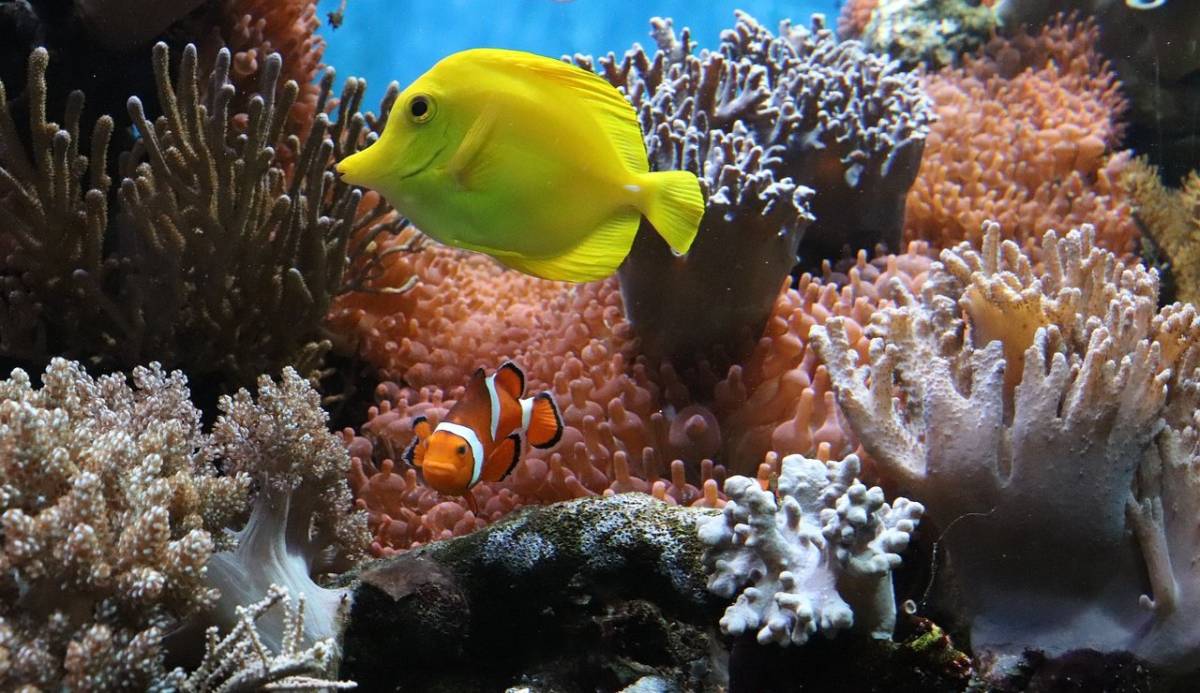
ABU DHABI: Under the directives of Sheikh Hamdan bin Zayed Al Nahyan, Ruler’s Representative in Al Dhafra Region and Chairman of the Environment Agency – Abu Dhabi (EAD), the emirate has launched the Abu Dhabi Coral Gardens initiative – the most extensive coral reef restoration effort ever undertaken in the Middle East.
The initiative underscores Abu Dhabi’s strategic commitment to marine sustainability, environmental innovation, and biodiversity enhancement.
Set for implementation between 2025 and 2030, the project will see the deployment of 40,000 artificial reef modules in both coastal and deep waters of the emirate. These reefs will be constructed from environmentally resilient materials and shaped in a variety of forms to support marine life. Covering an area of 1,200 square kilometres, the coral gardens will span the equivalent of 200,000 football fields, primarily targeting zones previously barren of coral or seagrass habitats.
Innovative reef design
A key component of the project is the introduction of live coral fragments to the artificial structures. Grown in Abu Dhabi’s coral reef nurseries, these fragments belong to hardy coral species known for their tolerance to elevated sea temperatures. Once transplanted onto the reef modules, they are expected to flourish, promoting natural reef regeneration and restoring degraded marine ecosystems.
To further amplify biodiversity, the coral gardens will serve as sanctuaries for releasing local farmed fish species. This measure is designed to enhance natural fish populations, contributing to the long-term replenishment of marine stocks across Abu Dhabi's territorial waters.
Boosting marine life
The ambitious initiative is projected to yield over 5 million kilograms of fish annually, encompassing both pelagic and benthic species. This will support recreational fishing and improve food security. The reef systems will also act as natural buffers, offering protection to Abu Dhabi’s coastlines and islands against the impacts of climate change, including rising sea levels and erosion.
Artificial reef studies by the EAD revealed that these structures can support marine species growth at rates three times higher than that of natural reefs. The agency evaluated multiple reef designs across 30 marine locations, establishing the best-performing models for ecological rehabilitation.
Dr Shaikha Salem Al Dhaheri, Secretary General of EAD, emphasised Abu Dhabi’s leadership in nature-based environmental innovation. She noted that the coral gardens would also enhance the emirate’s appeal for marine tourism, particularly among divers and eco-tourists.
Sustainable impact
The reef initiative supports blue carbon habitats, contributing to climate mitigation efforts by preserving coastal ecosystems that absorb atmospheric carbon. Additionally, the programme aligns with Abu Dhabi’s broader goals of environmental conservation while balancing economic development.
Sheikh Hamdan bin Zayed Al Nahyan praised the collaboration among stakeholders in bringing this initiative to life. He stated that the project is a key component of the UAE’s vision for environmental sustainability, contributing not just to marine conservation, but to the emirate’s food security and coastal resilience.
EAD officials stressed that the Abu Dhabi Coral Gardens initiative sets a regional benchmark in artificial reef design and marine biodiversity enhancement.